

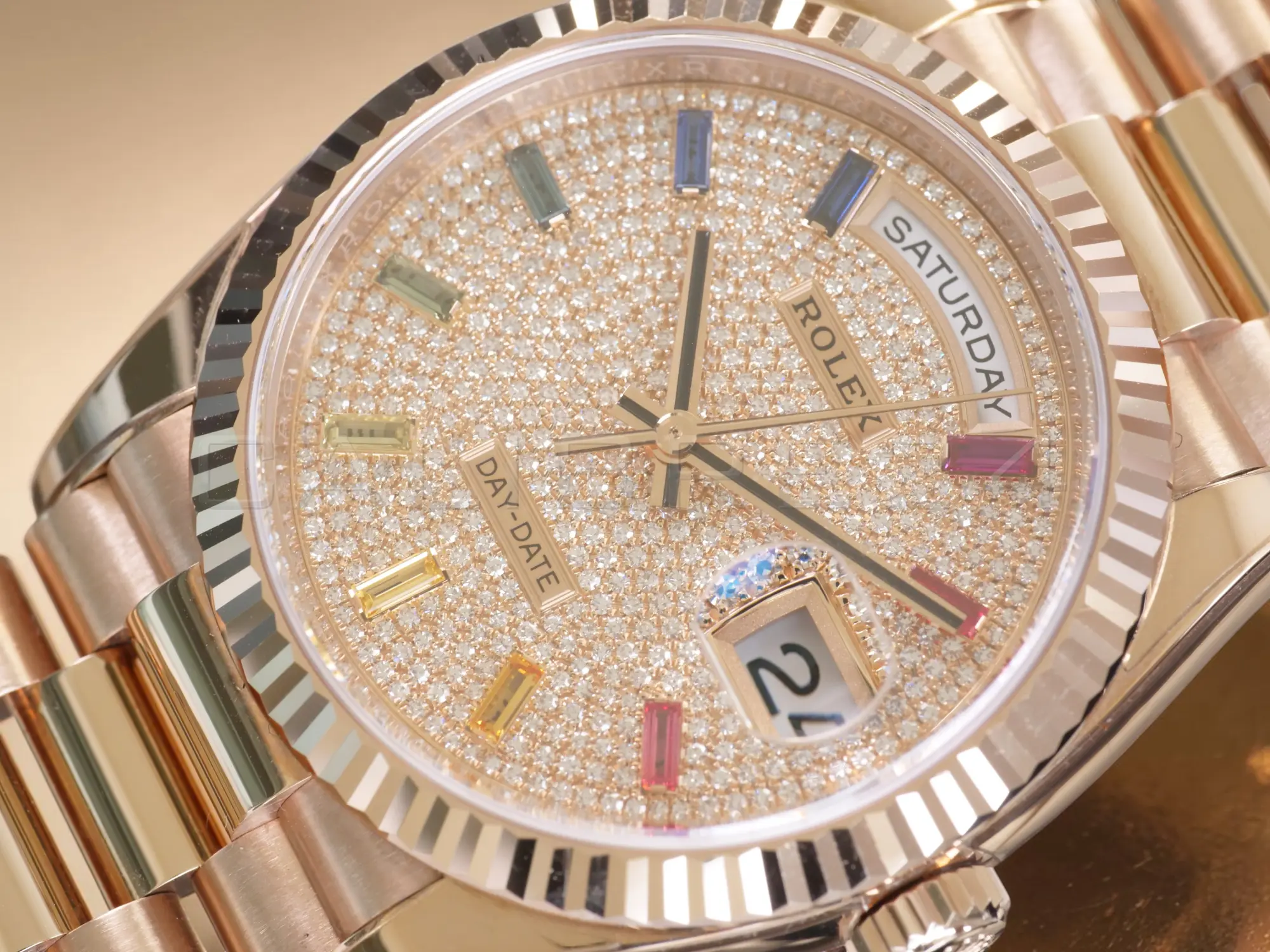
Rolex Day‑Date 36 Everose Rainbow Dial Ref. 128235 – A Story of Brilliance
There’s a moment when a watch stops being an object and becomes a declaration. The Rolex Day‑Date 36 in 18k…


The Rolex Cosmograph Daytona is more than a chronograph — it is a cultural icon and one of the most resilient investment assets in the luxury watch market. While Rolex itself does not classify the Daytona into “generations,” collectors and historians often describe its journey in distinct eras. Each era reflects not only technical evolution and design refinement but also shifts in rarity, desirability, and market value.
The Eras can be divided with the Rolex reference number sequence for its watches
References: 6239, 6241, 6263, 6265, 6240. Four-digit reference numbers starting with the number 6
Movement: Rolex Calibre 722 (based on Valjoux 72) hand‑wound chronograph
Case: 37mm with pump pushers (ref 6239) originally and then screw‑down pushers (in 1965 with reference 6240)
Crystal: Acrylic Crystal
Bezel: Acrylic bezel (black) with tachymeter scale on the bezel itself.
Dial Evolution: The Dials had sub-dials in contrasting colors.
The first Daytonas embodied Rolex’s racing spirit. Powered by the Valjoux 72, these watches required manual winding, reinforcing their tool‑watch identity.
References: 16520 (steel), 16523 (two‑tone), 16528 (gold), 16513 (Gold with leather strap). Five-digit reference number with a 1- prefix before the customary “6” of reference number
Movement: Caliber 4030, based on Zenith El Primero
Case: The case size expanded to a modern 40mm diameter, marking a significant step up from earlier iterations.
Crystal: Synthetic sapphire, replacing the acrylic crystals used on previous Daytonas. This change not only enhanced durability and scratch resistance but also signaled Rolex’s transition into a new era of modern chronograph design.
Rolex modernized the Daytona by introducing automatic winding, powered by a modified Zenith El Primero — one of the most celebrated chronograph movements in history. Rolex reduced its beat rate from 36,000 vph to 28,800 vph for durability and re‑engineered over 200 components.
A second era Rolex Cosmograph Daytona available for sale on Calibre24
Rolex Daytona Yellow Gold 16518 White Dial Diamond Set Markers on Leather (1996)
References: 116520 (steel), 116523 (two‑tone), 116528 (gold), later 116500LN with ceramic bezel
Movement: Rolex Caliber 4130, in‑house chronograph
Case: 40mm, sapphire crystal,
Bezel: Ceramic bezel (from 2016)
The launch of the Caliber 4130 marked Rolex’s independence in chronograph design. With fewer components, a vertical clutch, and a longer power reserve, it was a technical leap forward.
References: 126500LN (steel), 126503 (two‑tone), 126508 (gold), plus precious metal variants Movement: Caliber 4131, refined in‑house chronograph Case: Updated proportions, bracelet ergonomics, transparent caseback (select models)
The latest Daytona era reflects Rolex’s balance of heritage and innovation. The Caliber 4131 brings improved finishing, efficiency, and a new rotor design. Rolex introduced a transparent caseback on select precious metal references, offering collectors a glimpse into the movement’s artistry.
The Rolex Cosmograph Daytona is both an investment powerhouse and a cultural touchstone. Each era tells a dual story: technical innovation paired with market appreciation, racing heritage intertwined with luxury prestige. From Paul Newman’s art‑deco dials to modern transparent casebacks, the Daytona continues to embody Rolex’s relentless pursuit of excellence — making it not just a watch, but a legacy in motion.
Rolex Day‑Date 36 Everose Rainbow Dial Ref. 128235 – A Story of Brilliance
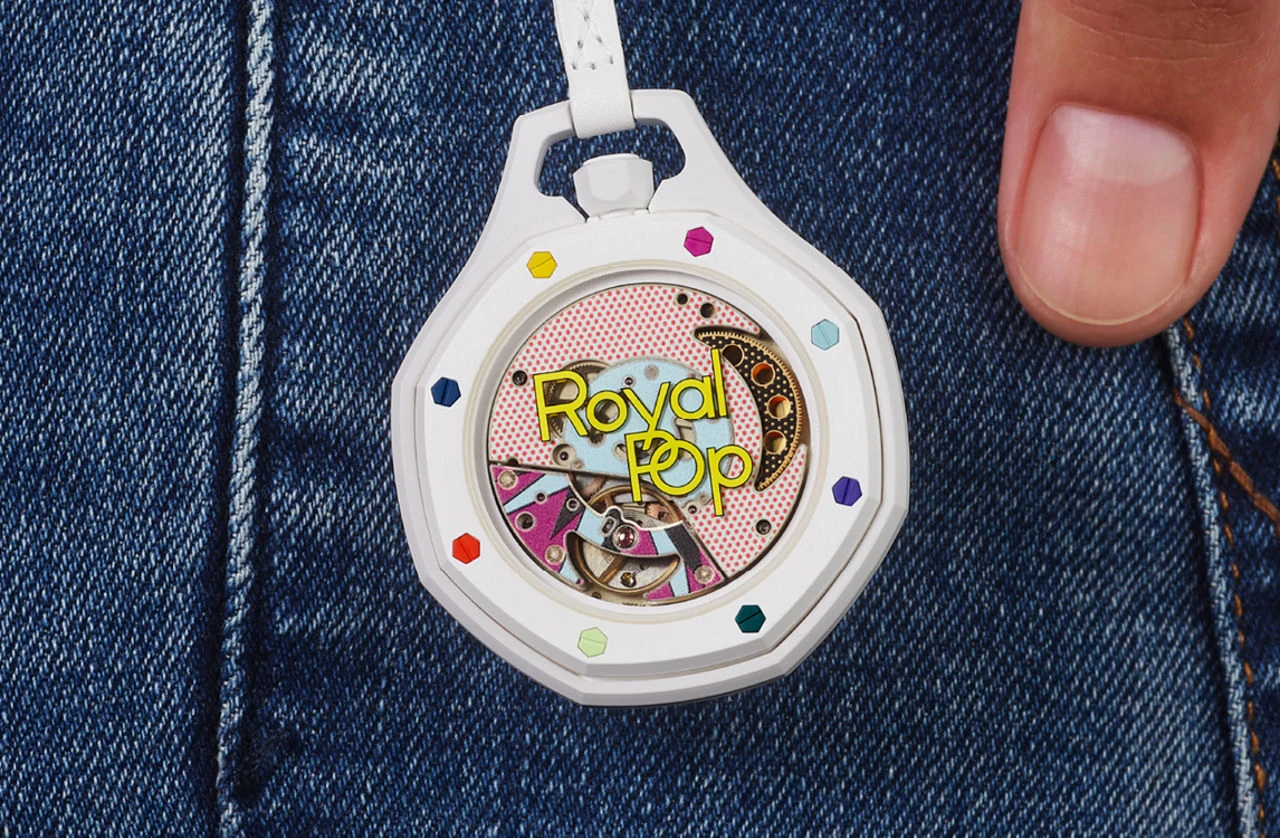
From Royal Oak to Royal Pop: Audemars Piguet Meets Swatch
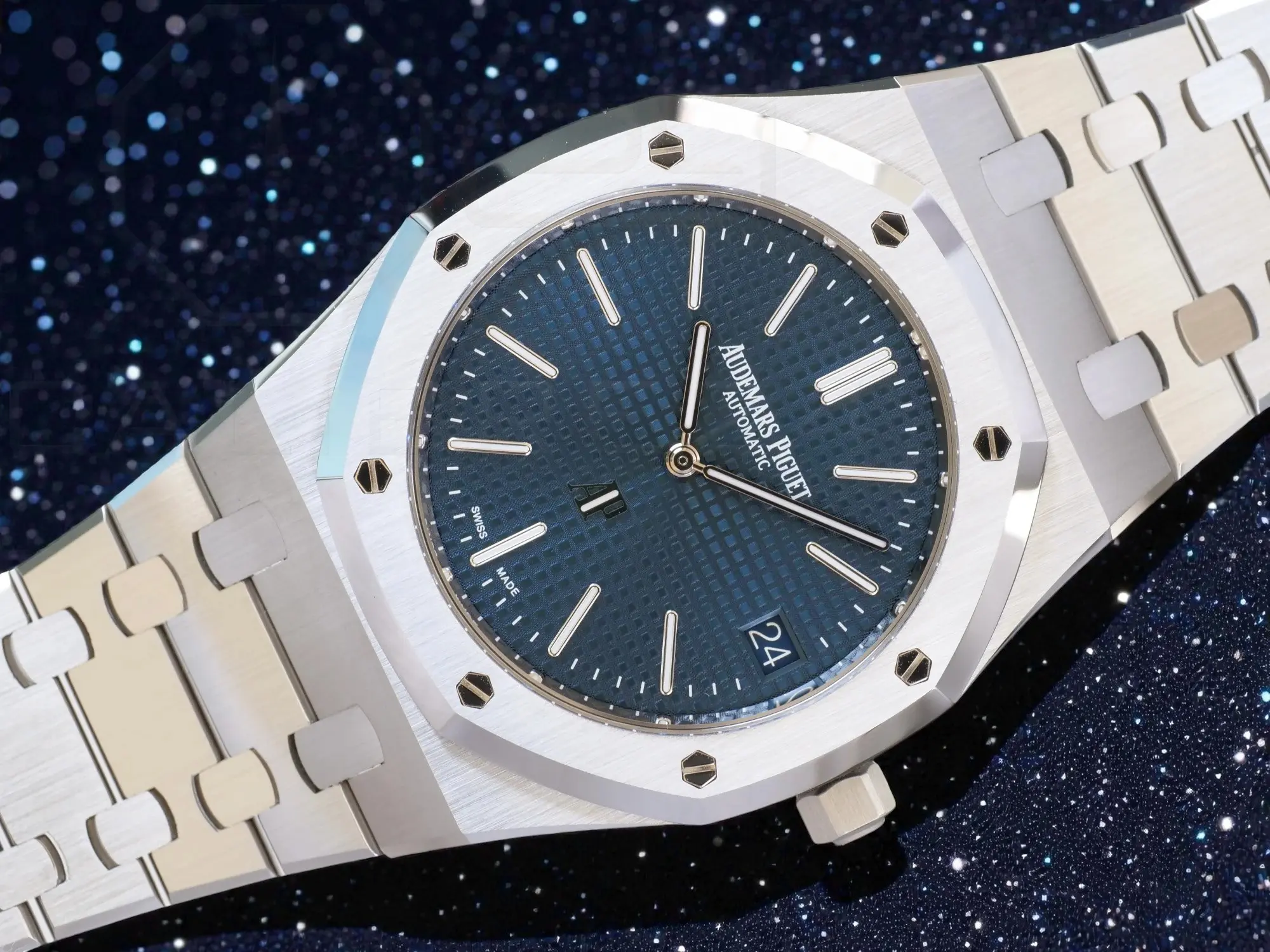
Audemars Piguet Royal Oak Extra-Thin Jumbo (16202ST): A 50 Year Legacy Refined